


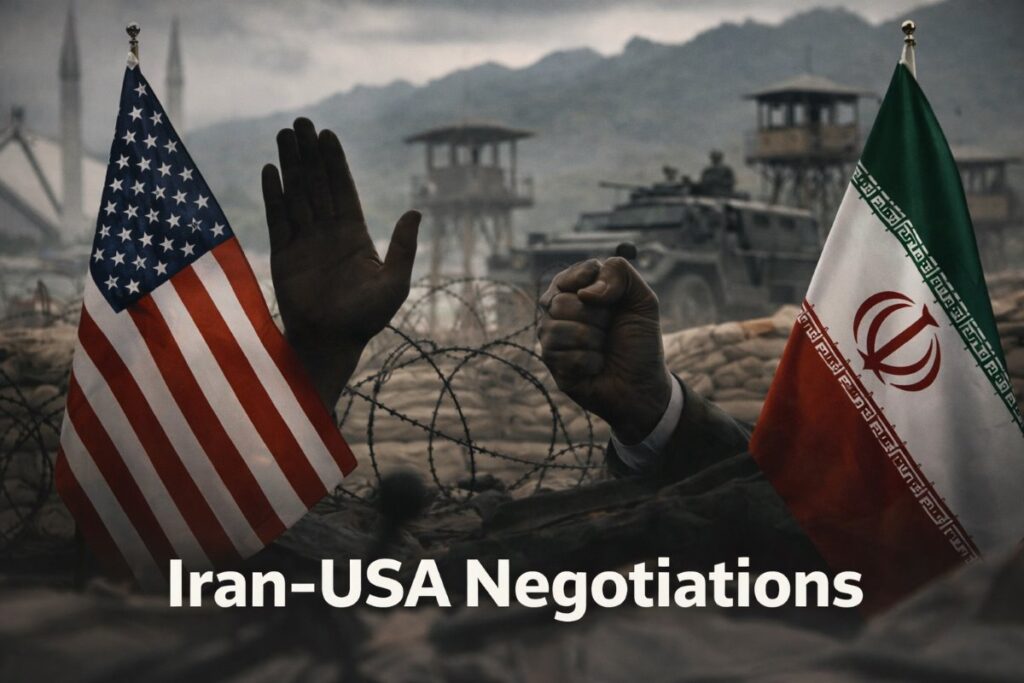
Man, what a letdown. After 21 grueling hours holed up in Islamabad’s Serena Hotel, US Vice President JD Vance and his team packed up and headed home without a handshake or even a tentative agreement. Iran dug in its heels, calling US demands “unreasonable,” while Vance shot back that Tehran just “chose not to accept our terms.” This wasn’t some low-level chit-chat—these were the highest-stakes US-Iran talks since the 1979 Revolution, all playing out in Pakistan of all places, with the world watching if the fragile ceasefire could hold.
I remember back in early February when this whole mess kicked off. US and Israeli strikes lit up Iran’s leadership, taking out the Supreme Leader and sparking that nightmare Strait of Hormuz blockade. Oil prices went haywire, shipping routes choked, and suddenly everyone’s gas bill felt the pinch stateside. Fast forward six weeks, and Pakistan steps up as the unlikely referee, hosting Vance, Trump’s son-in-law Jared Kushner, Special Envoy Steve Witkoff on one side, facing off against Iran’s Parliament Speaker Mohammad Bagher Qalibaf and Foreign Minister Abbas Araghchi. Pakistani bigwigs like PM Shehbaz Sharif, Deputy PM Ishaq Dar, and Army Chief Asim Munir shuttled between rooms, trying to bridge the gap in these indirect, marathon sessions that dragged from Saturday into Sunday past 3 a.m. local time.
The Big Sticking Points That Derailed US-Iran Negotiations in Pakistan
Let’s break it down—no sugarcoating. The US rolled out a beefy 15-point plan: slam the brakes on Iran’s uranium enrichment, cap their missile programs, lift some sanctions in return, and most critically, fling open the Strait of Hormuz for business again. Trump himself tweeted over the weekend that “most points were agreed to,” but the nuclear stuff? Total non-starter. “The only point that really mattered, NUCLEAR, was not,” he fumed, hinting at a CENTCOM blockade kicking off Monday to squeeze Iran’s “illegal extortion.”
From Iran’s corner, Qalibaf didn’t mince words: “The US was unable to gain the trust of the Iranian delegation… now it must decide whether it can earn our trust.” State media piled on, blasting “unreasonable demands” that blocked progress despite Iran’s “intensive” efforts to safeguard national interests. Their counter? A 10-point wish list from earlier rounds—full sanctions relief, regional peace protocols, reconstruction aid, and control over strait traffic with tolls. Tensions ran so high that Islamabad locked down the Red Zone: streets empty, holidays extended, military everywhere. No wonder Vance called it “bad news for Iran” in his airport presser.
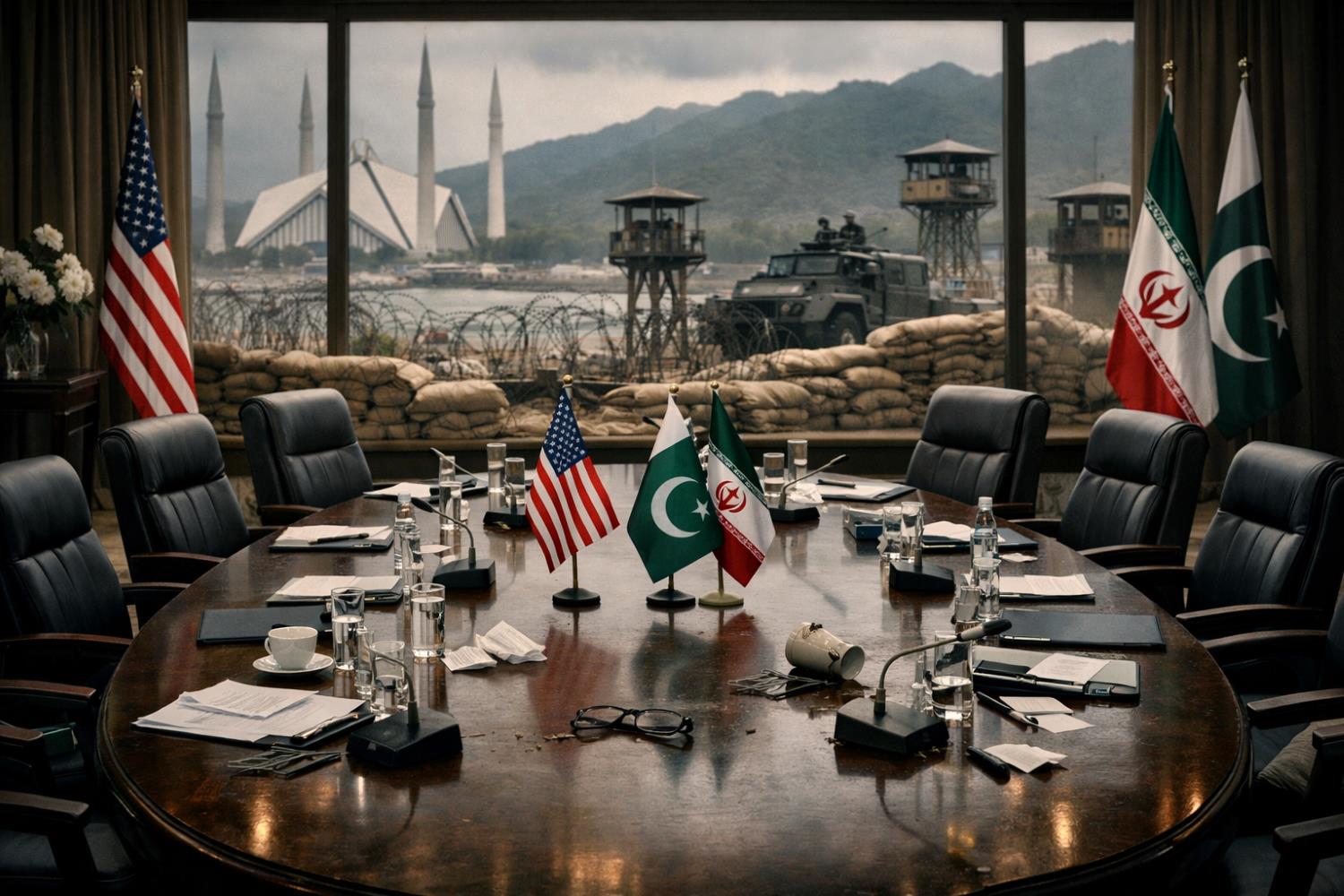
Why Pakistan Became the Surprise Venue for US-Iran Peace Efforts
Pakistan’s not your typical neutral ground—think nukes, Taliban ties, economic woes. But under Sharif’s crew, they’ve rebranded as Middle East mediators. Remember those indirect Oman talks back in February? They fizzled too, but led to a 45-day ceasefire proposal Iran shot down. Islamabad’s trilateral setup built on that, with Pakistanis literally running messages room-to-room. Analyst Tughral Yamin called it an “initial step,” but skeptics wonder if Islamabad’s just buying time amid its own energy crunch from the blockade.
For us in the US, this hits home hard. That Hormuz chokehold’s already jacked up fuel costs—imagine a full US-led blockade with allies piling on. Trump warns Iran’s “locked and loaded” days are numbered, military poised to “finish up the little that’s left.” Iranian hardliners aren’t blinking either, with state TV claiming vessels turning tail from warnings.
Fallout from the Islamabad Breakdown: Oil Spikes, Blockade Looms, Hopes Dim
Markets are jittery already. Post-talks, expect oil prices to surge as traders bet on escalation. The two-week ceasefire’s hanging by a thread—six weeks total into this war that’s killed thousands and upended global trade. Vance stayed looped in with Trump the whole time, but no dice on that “affirmative commitment” against nukes.
Could more rounds happen? Iran hinted talks “will continue” Sunday, but with the US team gone, it’s shuttle diplomacy or bust. Pakistan vows to keep pushing, but trust’s in short supply. If you’re stateside feeling the pinch at the pump, blame the Strait of Hormuz crisis—and bookmark webdesignz.org for daily Iran war updates, US foreign policy breakdowns, and Pakistan mediation scoops.
This stalemate’s a gut punch for peace hopes, but history shows these things drag on. What’s your take—escalation or eventual deal?
Drop a comment below.


